Embark on a journey to discover the secrets of prolonging the lifespan of your commercial vehicle fleet. From regular maintenance to effective driving practices, this guide will equip you with the knowledge to keep your fleet running smoothly and efficiently.
Delve deeper into the strategies and tips that can make a significant difference in the longevity of your commercial vehicles.
Importance of Regular Maintenance
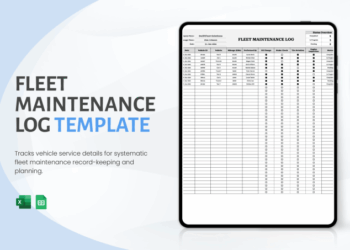
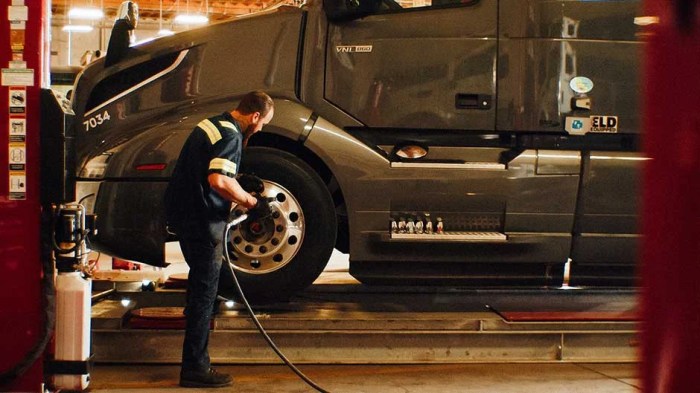
Regular maintenance is crucial for the longevity and performance of commercial vehicle fleets. By adhering to a scheduled maintenance plan, fleet managers can prevent breakdowns, reduce repair costs, and extend the overall lifespan of their vehicles.
Examples of Maintenance Tasks
- Regular oil changes: Ensuring that the engine oil is changed at recommended intervals can prevent engine wear and improve fuel efficiency.
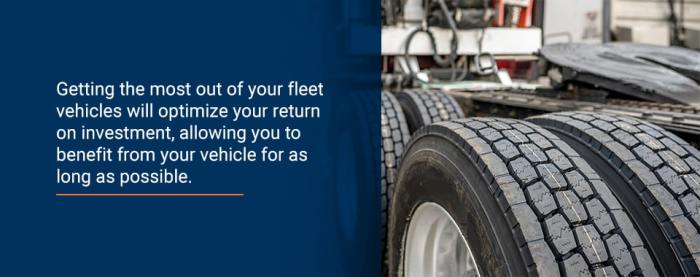
- Tire rotations and inspections: Proper tire maintenance can prevent uneven wear, improve traction, and enhance overall safety.
- Brake system checks: Regular inspection of the brake system can prevent brake failure and ensure optimal stopping power.
- Fluid checks: Monitoring and topping up fluids such as coolant, transmission fluid, and brake fluid can prevent overheating and component damage.
Impact of Neglecting Maintenance
- Increase in breakdowns: Neglecting maintenance can lead to unexpected breakdowns, resulting in costly repairs and downtime for the fleet.
- Reduced efficiency: Lack of proper maintenance can decrease fuel efficiency and overall performance of the vehicles, affecting the bottom line of the business.
- Safety risks: Skipping maintenance checks can pose safety risks for drivers, passengers, and other road users, leading to accidents and potential liabilities.
Effective Driving Practices
Implementing effective driving practices is crucial for extending the lifespan of your commercial vehicle fleet. By following best practices, drivers can minimize wear and tear on vehicles, leading to reduced maintenance costs and increased longevity.
Factors Affecting Lifespan
Speeding, idling, and aggressive driving are all factors that can significantly impact the lifespan of a commercial vehicle fleet. Each of these practices can contribute to increased fuel consumption, heightened mechanical stress, and accelerated wear on essential components.
- Avoid Speeding: Driving at excessive speeds not only increases the risk of accidents but also puts additional strain on the engine, brakes, and other critical systems.
- Minimize Idling: Excessive idling can lead to unnecessary fuel consumption and increased emissions, impacting both the environment and the vehicle's overall health.
- Reduce Aggressive Driving: Rapid acceleration, harsh braking, and abrupt maneuvers can all contribute to premature wear on tires, brakes, and suspension components.
Importance of Driver Training
Driver training plays a vital role in maintaining commercial vehicles and promoting responsible driving practices. Proper training can educate drivers on efficient driving techniques, preventive maintenance, and safe operation of vehicles.
Well-trained drivers are more likely to adhere to best practices, resulting in improved fuel efficiency, reduced maintenance costs, and extended vehicle lifespan
.
Proper Fleet Management
Proper fleet management plays a crucial role in extending the lifespan of commercial vehicles. By implementing effective strategies and monitoring key aspects of fleet operations, businesses can ensure their vehicles remain in optimal condition for longer periods of time.
Optimizing Routes and Schedules
- Utilize GPS technology to plan efficient routes that minimize mileage and reduce wear and tear on vehicles.
- Consolidate deliveries and pickups to avoid unnecessary backtracking and optimize fuel efficiency.
- Implement a preventive maintenance schedule to address any potential issues before they become major problems.
Monitoring Fuel Consumption and Tire Maintenance
- Track fuel usage and identify opportunities for fuel efficiency improvements, such as reducing idle time or implementing driver training programs.
- Regularly check tire pressure and tread depth to ensure optimal performance and prevent premature wear.
- Rotate tires regularly to promote even wear and extend their lifespan.
Utilizing Telematics and Technology
Telematics systems and technology play a crucial role in extending the lifespan of your commercial vehicle fleet. By utilizing these tools, you can track and monitor your vehicles in real-time, leading to various benefits.
Early Identification of Maintenance Issues
Telematics systems can help identify maintenance issues early on by providing real-time data on the condition of your vehicles. For example, these systems can track engine performance, tire pressure, and other vital components, allowing you to schedule maintenance before a breakdown occurs.
Preventing Breakdowns
Technology can also help prevent breakdowns by alerting you to potential issues before they escalate. By monitoring vehicle diagnostics and performance data, you can address any anomalies promptly, reducing the risk of unexpected breakdowns on the road.
Improving Fleet Efficiency
Telematics data can be used to improve fleet efficiency and longevity in various ways. For instance, by analyzing driver behavior and route optimization, you can reduce fuel consumption, minimize wear and tear on vehicles, and ultimately extend the lifespan of your commercial fleet.
Final Wrap-Up
In conclusion, by implementing the insights shared in this guide, you can ensure that your commercial vehicle fleet operates at its best for years to come. Stay proactive, prioritize maintenance, and watch your fleet thrive.
FAQ Resource
How often should I perform maintenance on my commercial vehicles?
Maintenance should be conducted regularly, ideally following the manufacturer's recommended schedule to prevent unexpected issues.
Can driver training really make a difference in extending the lifespan of my fleet?
Absolutely, well-trained drivers are more likely to adopt safe and efficient driving practices that can significantly impact the longevity of your commercial vehicles.
What are the advantages of utilizing telematics systems for fleet management?
Telematics systems offer real-time data on vehicle performance, maintenance needs, and driver behavior, allowing for proactive measures to be taken to enhance fleet efficiency and lifespan.